
I Can't Stop Thinking About Nosferatu
A Two-Part Reflection about Robert Egger's Gothic Obsession

A few years ago, while in college, I saw two films that made me swear off horror completely: The Ring and The Exorcism of Emily Rose. The latter, in particular, did a number on me. Since then, I’ve paid unnecessary attention to the 3 a.m. hour.
Sometime around 2016, I came across reviews of Robert Eggers' debut The VVitch, and read that he was a filmmaker to watch. But once I saw how much of the reviews were about the attention the film paid to realistic, historical horror, I knew I wasn’t going near it. If there’s anything horror had taught me, it’s that I like realism in fiction, but not in horror. “Authentic” and “realistic” are not words I seek out in scary movies. So I skipped The VVitch. But I clocked Eggers and was curious to see what he would do next.
That didn’t happen with his follow up, the Lighthouse. It looked weird, artsy, and something of an acquired taste. So again, I passed.I still haven’t gotten to it.
But then came the Northman, his $70million Viking revenge epic. Between the budget, which spoke of blockbuster ambitions, a historical setting and Alexander Skarsgard, I was sold. Even though some consider it Eggers’ weakest, it felt like the right entry point into his world, one grounded more in action and archetype than slow-burning dread.
The Northman exposed me to the Egger’s brand of filmmaking, which is a combination of an auteur’s vision, immersive production design, deliberate cinematography, a theatrical flair for performance and blocking, and a fascination with old-world detail - language, costume, architecture. His work often feels like a highly controlled stage play and so, it’s no surprise that Eggers has a background in theatre, specifically production design. And so when Nosferatu was announced, I looked forward to it even though the trailer suggested that we were in for a very visceral scary ride.
I have a lot to say about this film, so I’ve split this write-up into two parts. In this first part, I will explore what Nosferatu is about, its themes, structure, and underlying tensions. In the second part, coming later this week, I’ll dive into how all of that is brought to life through craft, character, and performance. So let’s dive in.
WHAT’S THE FILM ABOUT
“A gothic tale of obsession between a haunted young woman and the terrifying vampire infatuated with her, causing untold horror in its wake.”
Set in 19th-century Germany, like F.W. Murnau’s 1922 film from which it draws inspiration, Eggers’ Nosferatu centers on Ellen Hutter (Lily-Rose Depp), a deeply lonely young woman, misunderstood by the world around her, who prays for companionship. Her prayer is answered, just not in the way she expects.
From the opening scene, the film centers the relationship between Ellen and Count Orlok. It begins with Ellen, lonely, desperate, whispering a prayer into the night:
Ellen Hutter: [sobbing] Come to me. Come to me. A guardian angel. A spirit of comfort. Spirit of any celestial sphere. Anything. Hear my call.
[in her mind]
Ellen Hutter: Come to me.
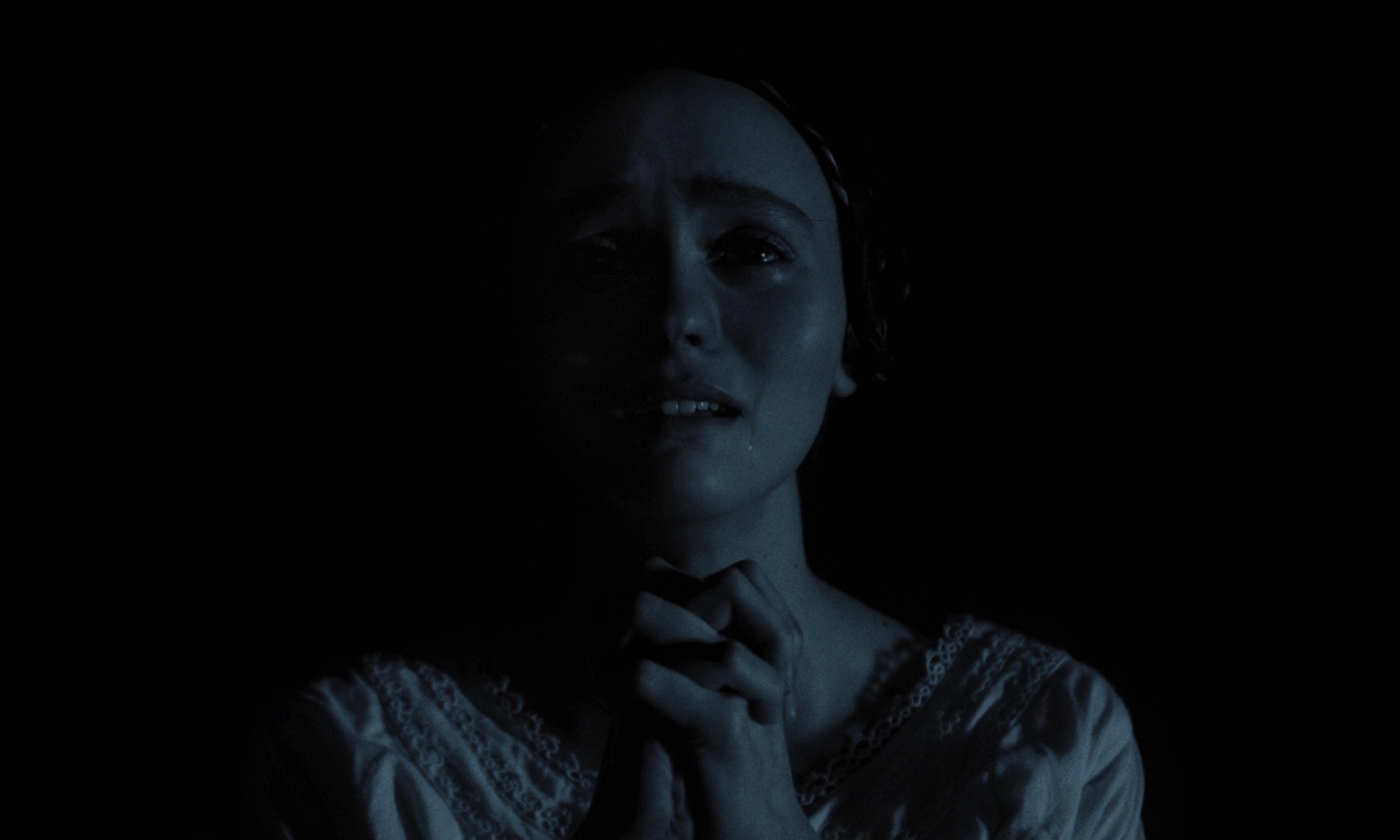
From the silence of the night answers a chilling, royal voice of Count Orlok in response to her prayer.
Count Orlok: [telepathically, in subtitled Dacian] You.
This is a striking way to introduce the film’s central relationship. Ellen’s cry for help is borne out of necessity, and Orlok’s response is at first comforting, but becomes a curse. In that moment, we understand what kind of relationship this will be. Ellen is drawn to Orlok like one might be drawn, to unspoken desire, to a darkness within. Think of him as the badboy ex, who’s great in bed but toxic everywhere else.
The film then jumps forward several years. Ellen is now married to Thomas Hutter (played by Nicholas Hoult who delivers a memorable performance as Lex Luthor in Superman), an ambitious, naive real estate agent who sees a lucrative deal with Count Orlok as his ticket to upward mobility.
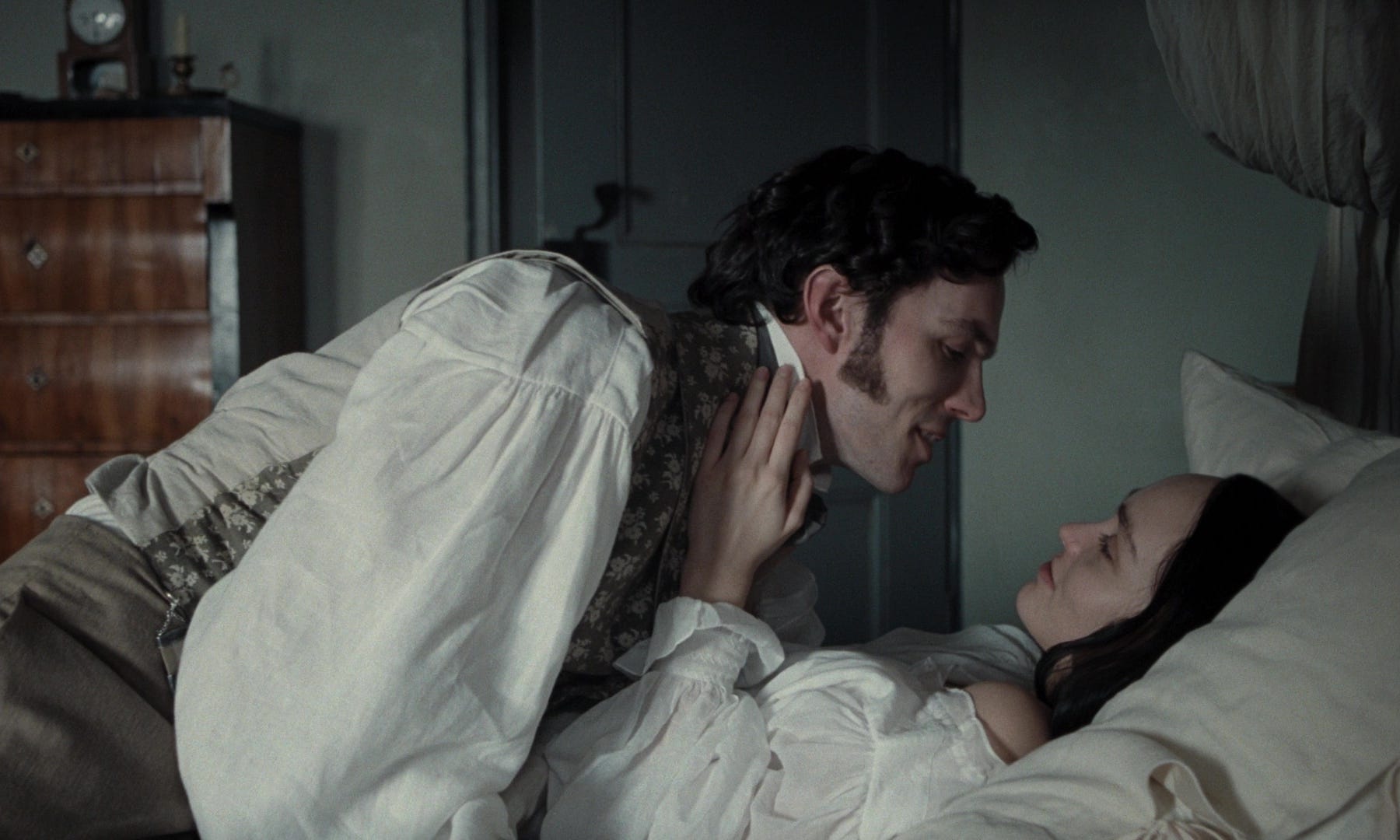
Thomas' drive to provide, or rather, to prove himself, pushes him to accept an assignment that will ultimately upend their lives. Ellen’s intuition warns against it, but Thomas, and the world around her, dismisses her fears as hysteria. She’s “emotional,” “fragile,” “sick.” And so he goes.
This sets up the film’s secondary relationship, Thomas and Ellen, and a powerful triangle of conflicting wants:
Ellen wants love and comfort.
Thomas wants success and status.
Orlok wants ALL of Ellen, her body and her soul.
All the characters are shown as incredibly motivated in pursuing their WANTS.
Thomas’ journey to Transylvania becomes a descent into the unknown, and Orlok’s journey to Wisborg becomes a march of death. As plague and chaos follow the Count’s trail, the town, and its people, are forced to confront a supernatural force none of them believed in until it was too late.
This is where Robert Eggers excels. This combination of period horror and psychological drama.
THEMES
Desire. Loneliness. Lust. Ambition. Power. These are the forces that shape Nosferatu.
At the center of the film is Ellen, a woman whose wants: for love, for connection, for spiritual peace; are misunderstood and reduced by those around her. Her husband, Thomas, misreads her yearning as emotional instability. Society treats her sensitivity as illness. But only Count Orlok, a monstrous and ancient evil, truly sees her, which may also be why he’s the only one who answers her midnight prayer.
Orlok is evil personified. But I love that Eggers doesn’t leave it there, and chooses to complicate him. In one scene, Orlok reveals that he’s not just a predator, but also a wounded being, driven by a need for connection as much as hunger. His obsession with Ellen may be violent and parasitic, but it is rooted in his understanding of her, and a shared affinity.
Thomas, meanwhile, believes his ambition is noble, that he’s chasing success for Ellen’s sake. But the film exposes that as a lie. What Ellen wants is presence. His decision to leave becomes an act of selfishness disguised as sacrifice, a deeply relatable modern tension.
This, ultimately, is what Nosferatu is about:
Desire as a force of destruction. Power as something imbalanced.
The most obvious imbalance is between Orlok and Ellen. But as Ellen is dismissed again and again, we come to see that the deeper imbalance is between men and women, belief and denial, knowing and ignorance. Ellen’s supernatural sensitivity is dismissed as madness. Her pain is interpreted only through the absence of her husband, as if her identity exists solely in relation to him.
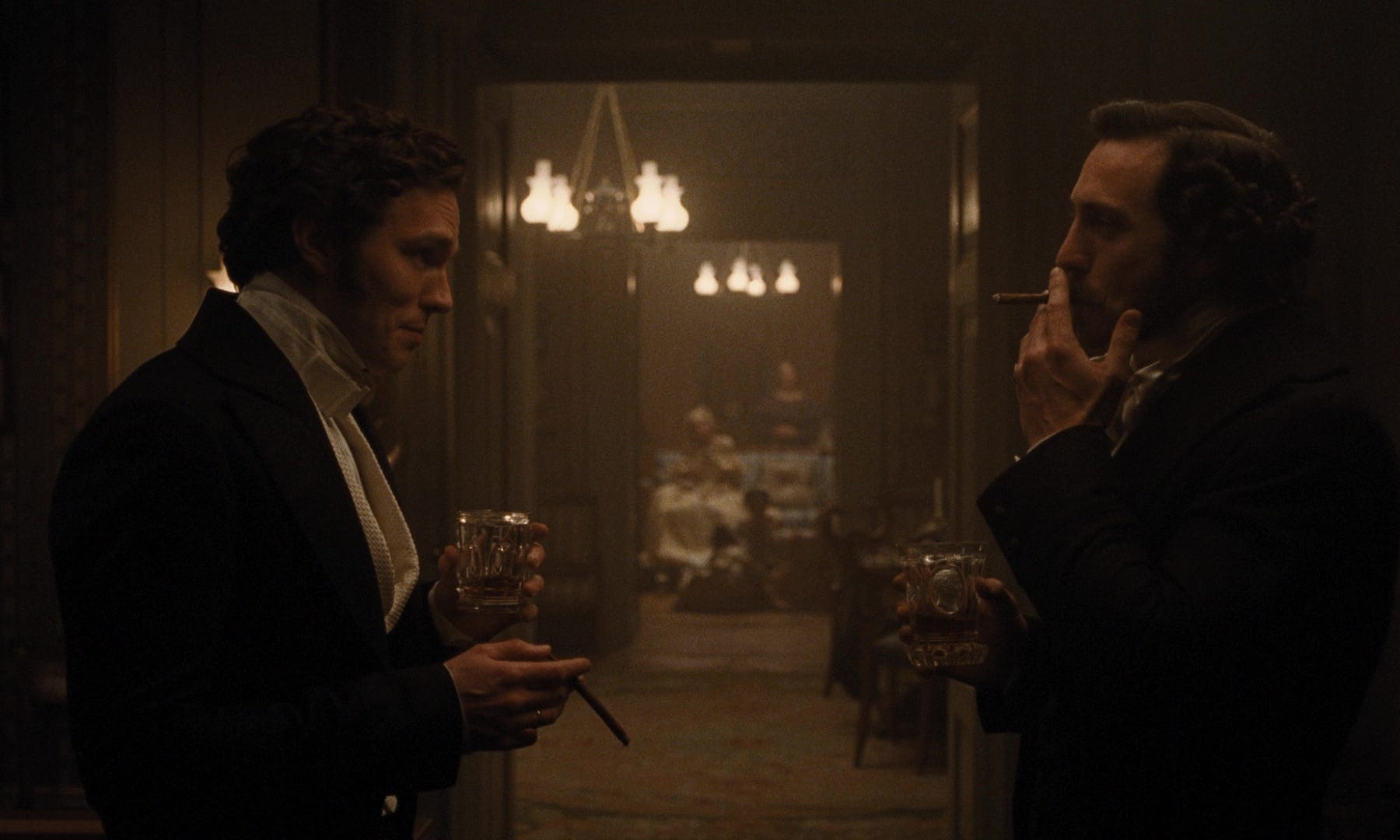
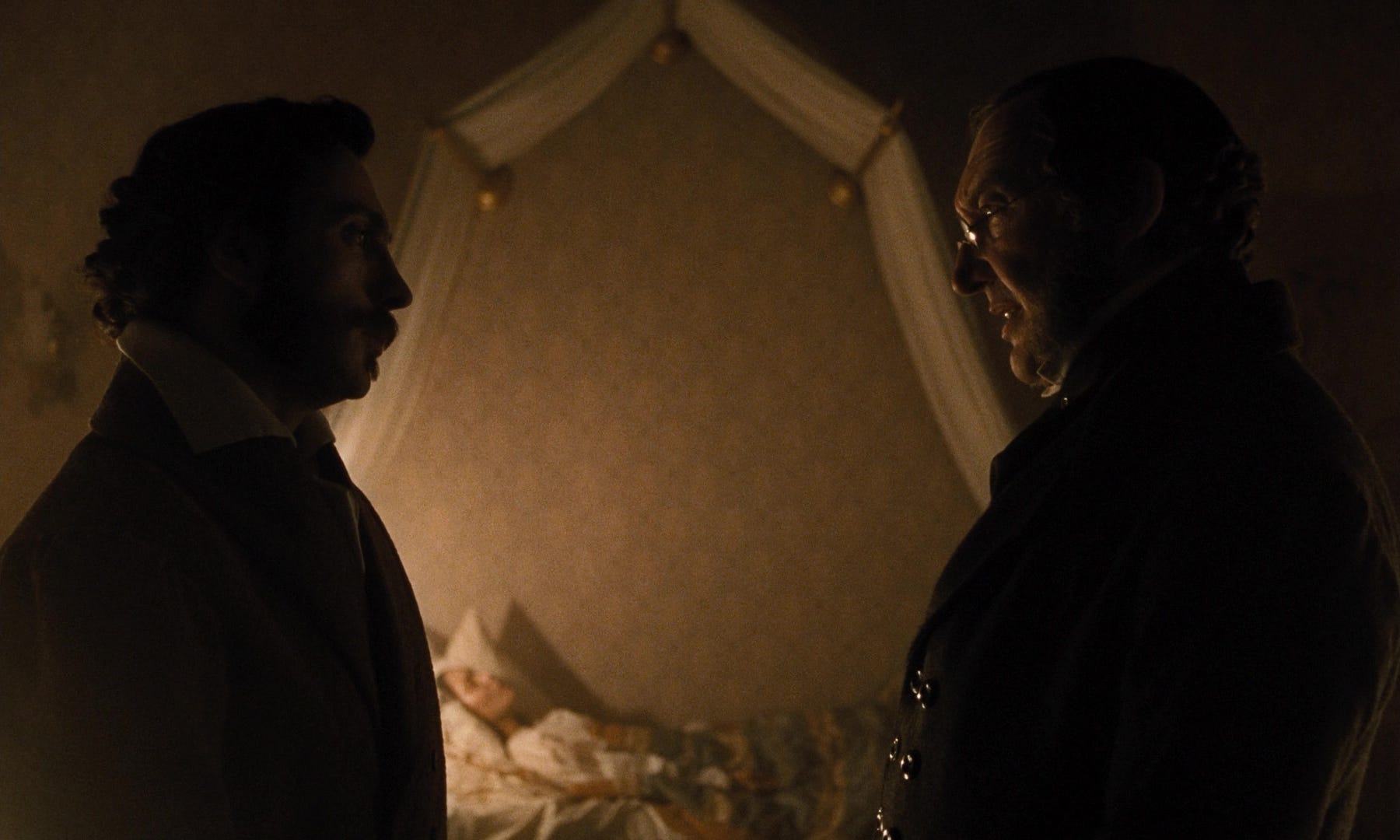
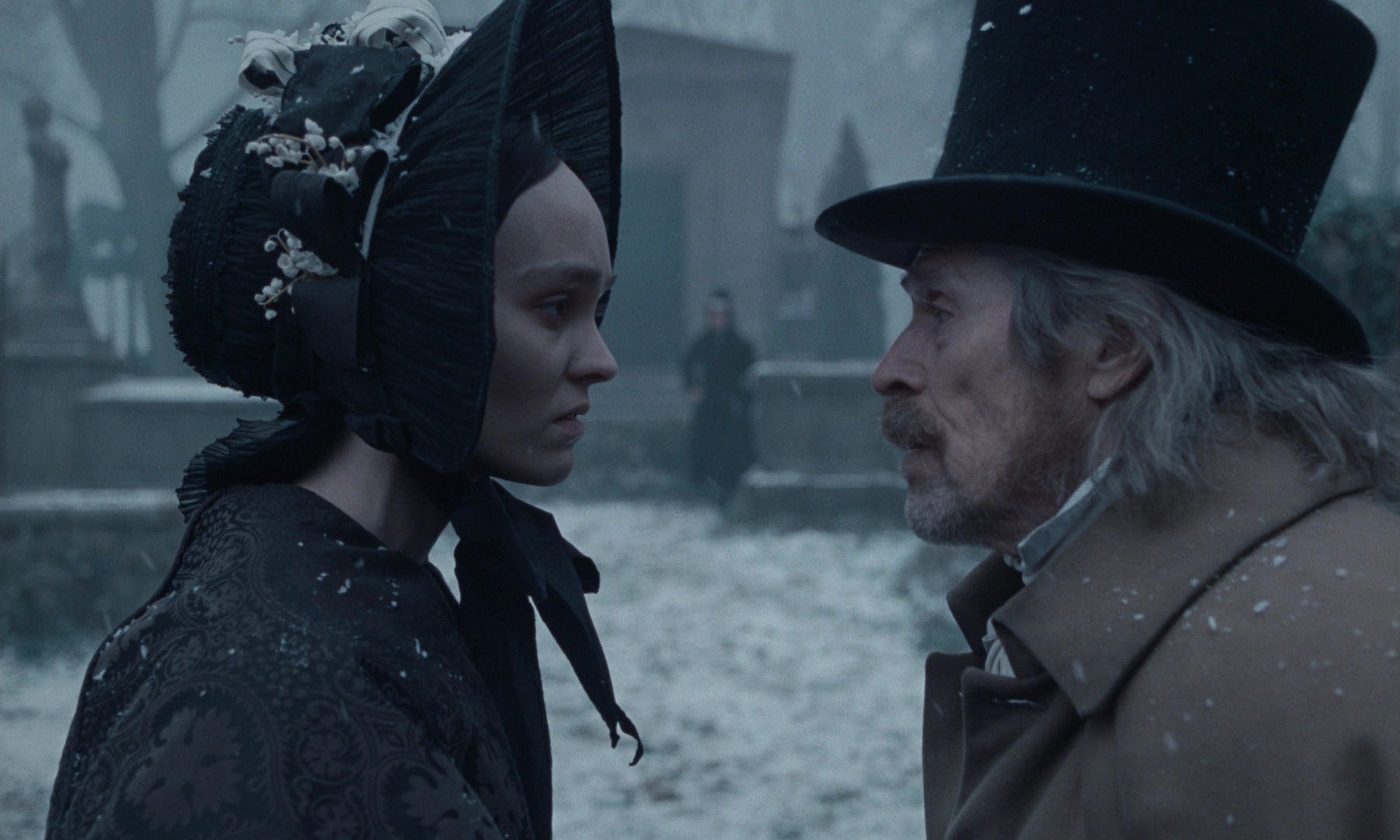
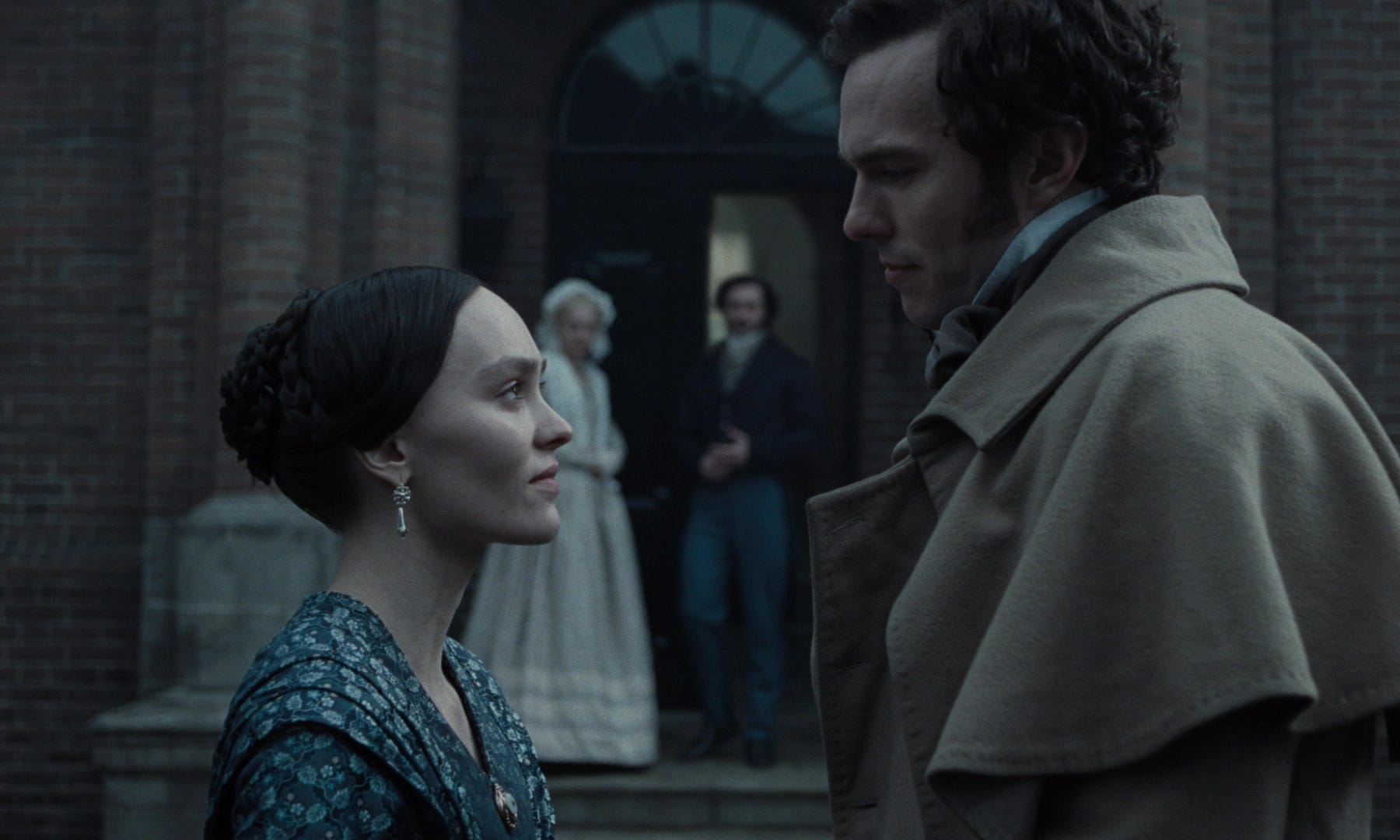
This imbalance is also reflected in the way the film is shot and framed. Conversations between two characters are often staged in two-shots, but in the background, we sometimes see the people who will suffer the consequences of those conversations, visually reminding us who holds power and who bears the cost.
When characters are equals, they’re typically framed at the same height. But in scenes between Ellen and either Thomas or Orlok, she is often placed lower in the frame, subtly reinforcing her diminished agency within the world of the film.
STRUCTURE
The film follows a fairly traditional three-act structure:
Setup - Ellen’s Distress, Thomas’ ambition, Orlok’s awakening.
Confrontation - Thomas’ journey to Transylvania and Captivity, Ellen’s Psychic Torment and Orlok’s plague.
Resolution - The final reckoning.
Beyond the characters’ conflicting wants, what heightens the structure is the tension between what Ellen (and we, the audience) know, and what the world around her, especially its men, refuses to believe. That disconnect is what fuels the film’s suspense. We know Orlok is real. So does Ellen. But no one listens. We are forced to identify with her, tied down, watching the inevitable unfold with a sense of helplessness. It is only when Professor von Franz (Willem Dafoe) enters in the 2nd Act that Ellen finally finds someone who believes her. But by then, it’s too late.
As with much of horror, belief comes at a cost, and in Nosferatu, the longer the denial, the greater the price. By the time Count Orlok reaches Wisborg, belief has arrived, but too late to stop the devastation.
Ultimately, while Nosferatu presents itself as a horror film, its horror disguises a certain sentimentality, or twisted romanticism, that becomes most apparent in the second and third acts, as the connection between Count Orlok and Ellen comes into focus. It begins to resemble a love story of sorts: two outcasts, drawn together by loneliness and longing.
EXECUTION
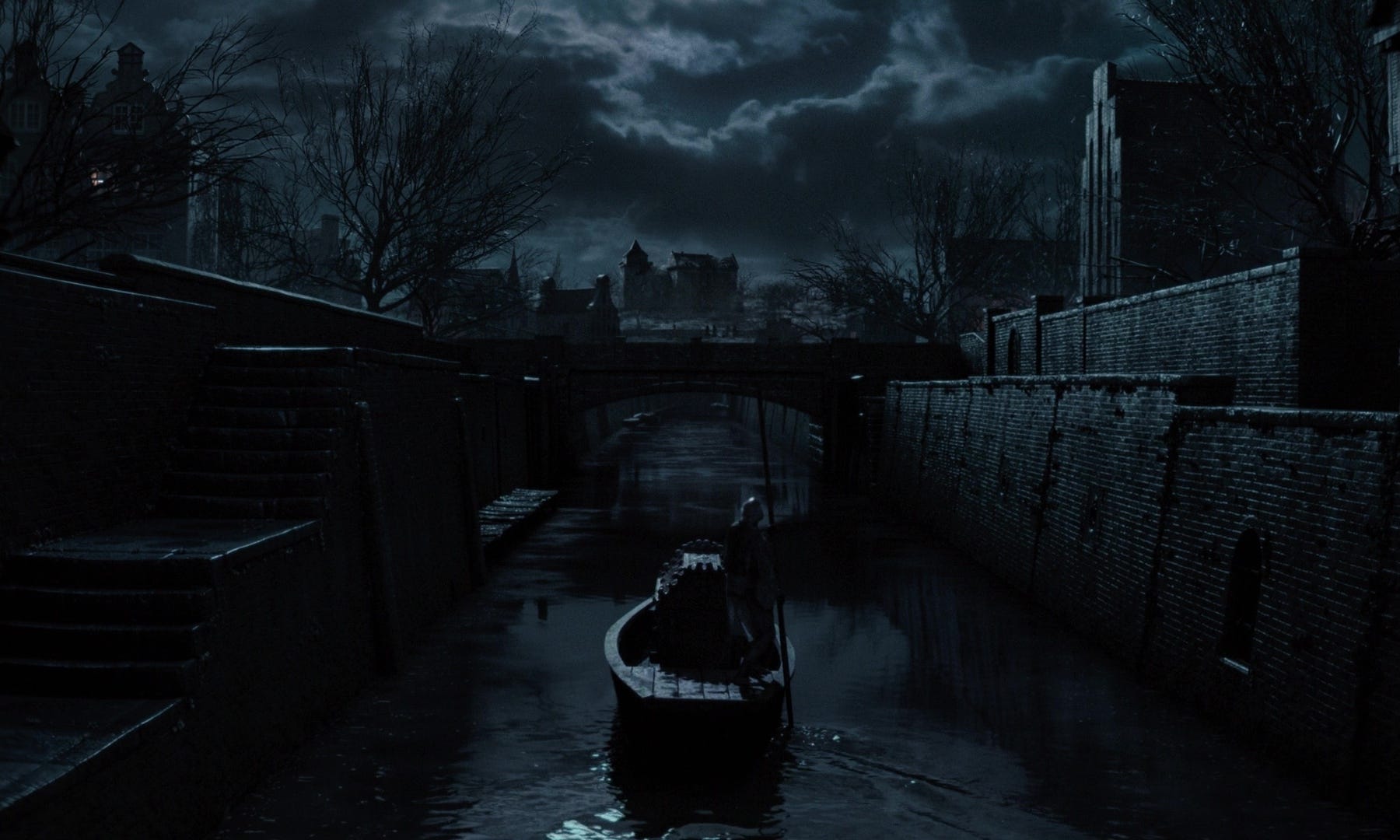
What makes all this work, beyond the story, is the craft.
The film conjures a world that is as haunting as it is beautiful, a mood shaped by its cinematography, sound design, production design, and performances. Every detail contributes to the feeling of dread. Robert Eggers’ love for craft is on full display, and with a $50 million budget, he and his team make every frame feel lived-in, textured, and deeply immersive.
As a filmmaker, what struck me most about Nosferatu is how fully it commits to its atmosphere. This is not about spectacle, but about calibrating every element to near perfection to immerse the viewer in the world of the film and the story. There’s a level of discipline here that I really admire, which challenges me as a filmmaker and reinforces the idea that everything matters - what we show, how we show it, as well as what we withhold and suggest. This last part about creative economy is one of my favorite things about Robert Eggers.
In Part Two, coming later this week, I’ll unpack how all of this comes together, how Eggers and his collaborators draw us into the dark, seductive world of Nosferatu through craft, character, and performance.